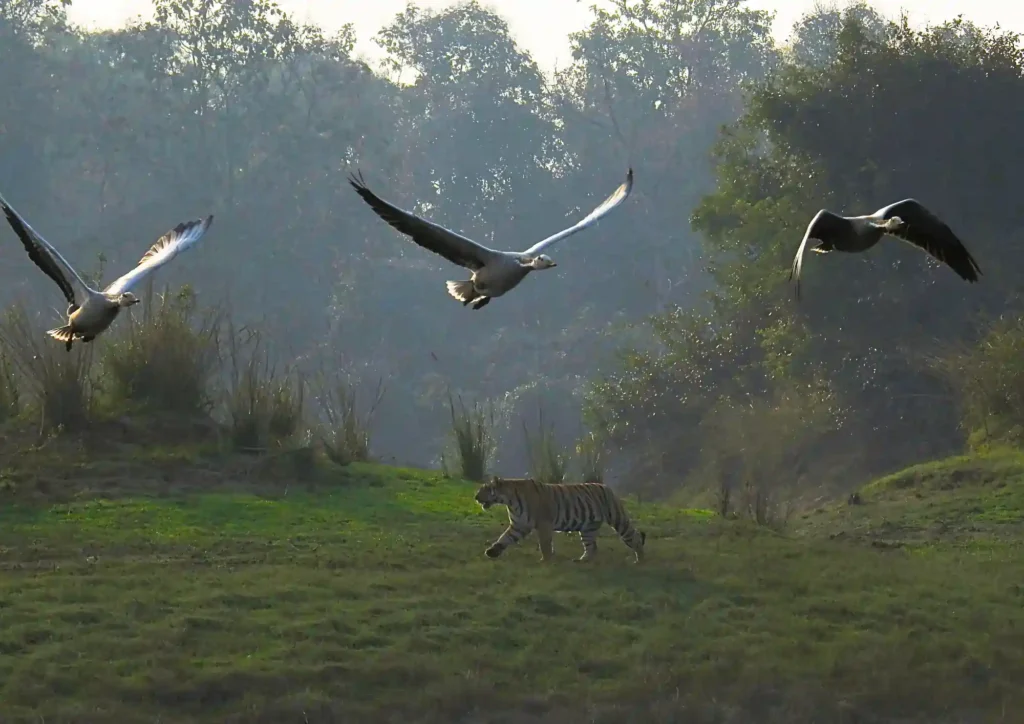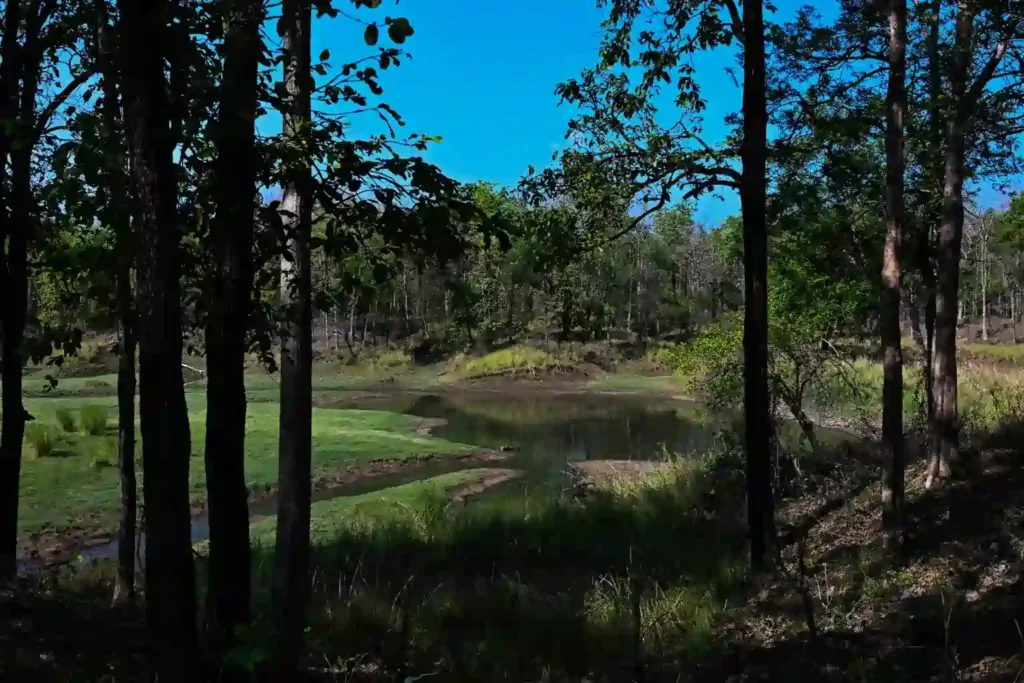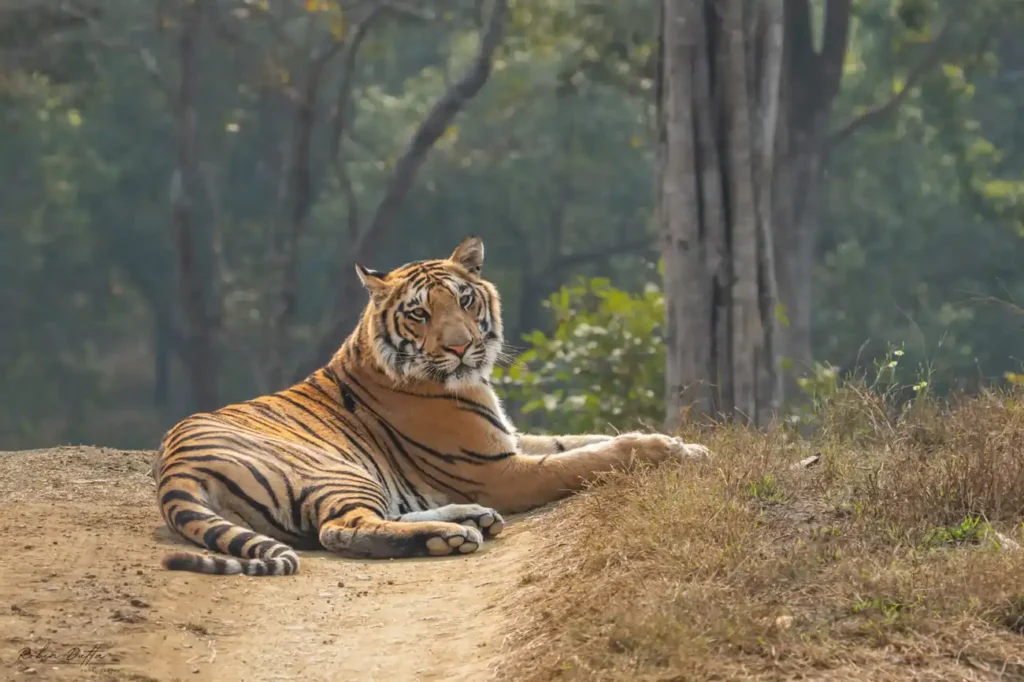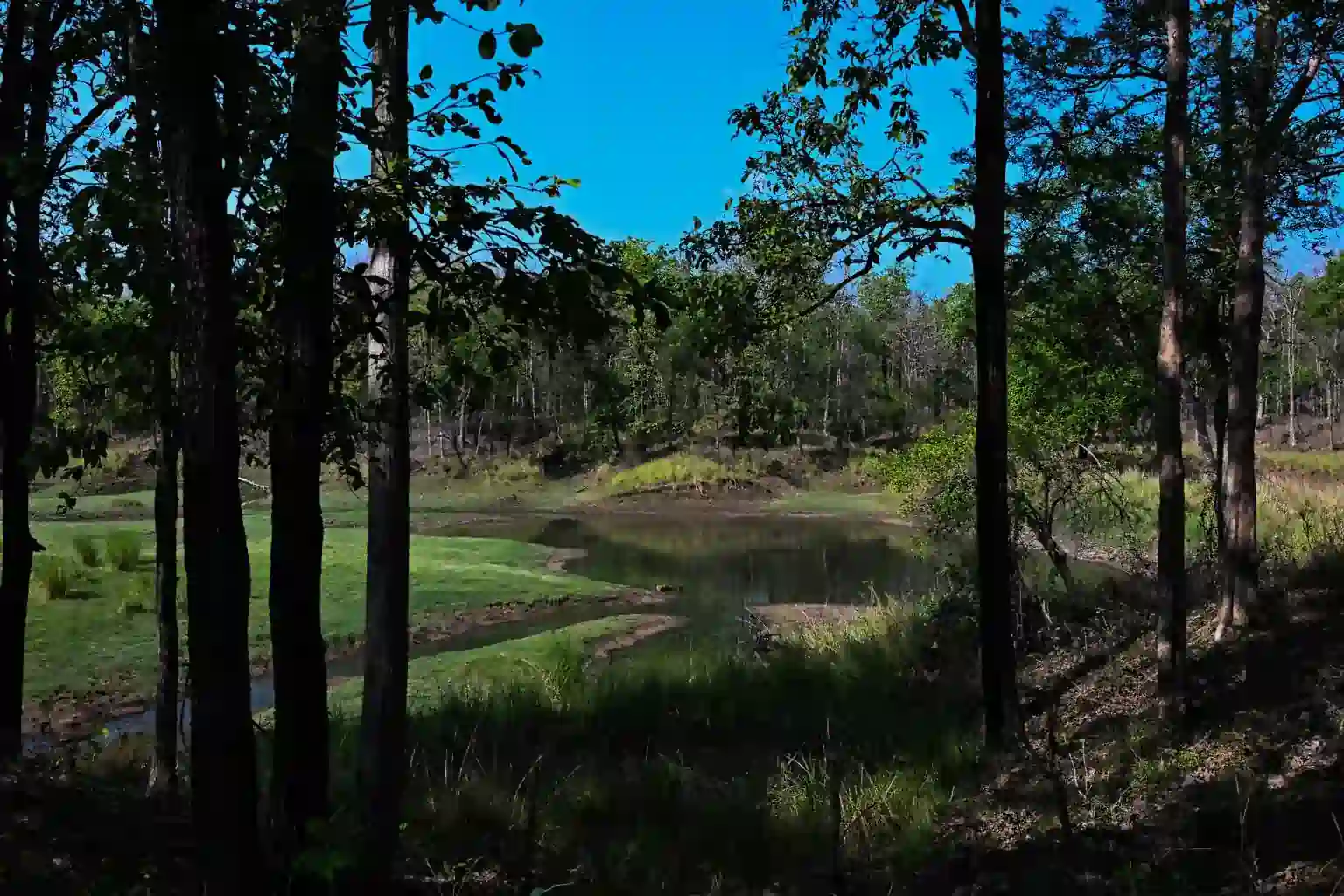
Situated in the Narmadapuram district of Madhya Pradesh, Satpura National Park is a renowned tiger reserve in India. Blanketed by the Mahadeo Hills of the Satpura range, this park is famous for its wide variety of flora and fauna.
Satpura National Park includes Pachmarhi & Bori Sanctuaries and Satpura Tiger Reserve, covering a total area of 524 sqkm. The park is spread across three districts of Madhya Pradesh, which are Hoshangabad, Chhindwara and Narmadapuram.
Importance of Planning Your Visit to Satpura at the Right Time
In Satpura, the landscape unfolds slowly, like a story told in seasons, each of which offers a different rhythm, a different palette, and a different intimacy with the wild each time.
While summers are great for animal sightings, winters make the landscape more glorious. Monsoons are also a great time to explore the jungle, when it feels more vibrant and alive.
This guide walks you through this national park across the different seasons, so you can choose the best time to visit Satpura based on how you want to experience nature.
Seasons and Activities in Satpura National Park
When it comes to climate, summers, winters and monsoons are the primary seasons of the region. Read along to discover what each season brings and the best time to visit Satpura National Park.
Winter: The Season of Long Walks and Birding by the Backwaters

Duration: The winter season starts from the month of November and extends till February. This is one of the best times to visit Satpura, with pleasant temperatures (10°C to 25°C).
Since the national park is bound by the Satpura ranges, the temperature in the hilly areas are usually 5-6°C lower than the plains. In Pachmarhi, temperatures as low as 1°C have been recorded. Generally, the sky is bright and cloudless, the air crisp and light showers can be expected.
Flora and Fauna: The vegetation becomes less dense in winters after the dense foliage of monsoon, enabling a better view of the wildlife. Mornings begin with mist hanging low over the Denwa backwaters, This is perhaps the most inviting time for those who want to experience the forest, not just see it.
Wildlife Spotting Opportunities: It is also the best time for bird watching, as many migratory birds can be spotted near the riverside. In winters, one can also spot crocodiles basking in the sun. Hotspots for birding include the Tawa reservoir, the Denwa Backwaters, and the grasslands and fields around Satpura National park.
Jeep safari is another activity which can be done in winters. But remember to carry your winter essentials with you. Wildlife sightings are steady – think leopards, sloth bears, gaur, and deer. Many young animals can be found loitering in the wild.
But winter is less about dramatic sightings and more about immersion. It’s about noticing pugmarks on soft soil, the call of a drongo, and the way light lands on the forest floor.
Activities: The following activities and experiences make winter the best time to visit Satpura.
A special Mobile Camping and Walking Safari experience offered by Pugdundee Safaris offers guests a chance to engage with the forest up close.
These camping adventures can be customised, or guests can join preset group departures between November to March. By day, walk the Forsyth trail, and by night, camp under the stars with all creature comforts.
A boat ride in Denwa river is one of the things to do in Satpura. The canoe ride is offered at the footsteps of our lodge, Denwa Backwater Escape.
Along with enjoying the pristine waters of the river, one can enjoy soaking in the beauty of the undulating landscape and a wide variety of migratory water birds.
Summer: The Season of Raw Wilderness and Big Sightings

Duration: Summer season starts from March and extends till June. Temperatures can rise to 40°C and beyond, but with the heat comes a kind of clarity and visibility you don’t find in any other season, as the vegetation begins to become sparse.
Summer is often considered the best time to visit Satpura for tiger and sloth bear sightings especially around watering holes, and heightened predator activity.
Flora and Fauna: The forest sheds its layers. Trees lose their leaves and new flowers bloom everywhere, colouring the forest in varying hues. Some of the prominent flowers of that bloom during late spring and summer season are:
- Giria or Chloroxylon swietenia
- Mahua or Madhuca longifoli
- Palash or Butea monosperma
- Lokhandi (Ixora pavetta)
Wildlife Spotting Opportunities: Summer is for wildlife enthusiasts and photographers alike. For those who don’t mind the heat, it means witnessing the raw theatre of the jungle.
Early summers see pleasant weather, but as the season drags on, the forest cover starts thinning day by day. Along with it, water reservoirs also start drying up. This means that the chances of spotting animals increase.
With animals moving towards water spaces, it gives good opportunities for spotting tigers and other wildlife. During early summers, tourists can spot birds like River tern and Indian skimmers.
To increase your chances of sightings, choosing the right safari zone is important. Here’s a complete guide on the best zones and gates in Satpura National Park to help you plan your safari better.
Activities to do: Boat safaris run till about mid-April, depending on the water level, providing an extraordinary perspective of life along the river banks.
As the water recedes, visitors can witness wildlife along the forest’s edges – from sambar cautiously crossing the river to crocodiles basking in the sun, and birds lining the edges like quiet spectators.
Boating activities take a halt post this as water levels dry up. For tourists and families visiting Satpura as part of summer holidays, there are several activities they can do, like visiting Pachmarhi hills, Patalkot valley, and Bhimbetka caves.
Monsoon: The Season of Renewal and Quiet Magic
Duration: This season starts from July and ends in September. Rainfall here can be recorded from moderate to very heavy. Though core zones are closed for safari during this season due to heavy rainfall, buffer zones remain open for tourists.
Flora and Fauna: Guests experience the lush greenery and refreshing flora and fauna within the jungle. The rainy season gives a fresh look to the entire landscape and makes it more appealing to guests, making monsoons the best time to visit Satpura National Park.
Wildlife spotting opportunities: Wildlife activity remains good during the monsoon. This season is the mating period for many animals. Despite the showers, wildlife activity can be seen amidst the lush foliage during this weather.
This is also a great period for herping, when reptiles and amphibians come out in all their glory, and fireflies light up the dark at night.
Activities to do: Monsoons can be one of the best times to explore jungles. Pachmarhi comes alive with dense foliage and waterfalls, and is ideal for trekking. Buffer zone safaris are open during this season from July to September.
ABOUT SATPURA NATIONAL PARK

Location and significance
Situated in the lap of Central India, its location favors the national park in many ways. The name Satpura was derived from the Sanskrit word Satpura, which translates to seven mountains.
It was first explored by Captain James Forsyth of Bengal Lancers in 1862 while he was chasing a freedom fighter through this region.
Due to its ecological, biological and commercial importance, it was declared the first Reserve Forest Area of India in 1999, finally being declared a tiger reserve in 2000.
To understand how Satpura evolved into one of India’s most unique tiger reserves, read our detailed article on the history and legacy of Satpura Tiger Reserve.
Geography and Climate
The geography of Satpura is varied in many ways. The area is mostly hilly and rugged and the majority of the region falls within the folded ranges of the Satpura hills.
The geography of the national park can be summed up by steep ridges, narrow valleys and deep gorges. One can also find a lot of water bodies in the region.
When it comes to the weather – summers, winters and monsoon are the primary seasons of the region.
Unique features of the park
What sets Satpura apart from other tiger reserves is that it offers unique ways to engage with the forest. Apart from gypsy safaris, one can also choose from walking safaris and boat safaris for a more intimate, less crowded experience.
A good population of sloth bears can be found here, and the Indian Giant squirrel, the mascot of, is a rare species which can be found here.
WHERE TO STAY IN SATPURA NATIONAL PARK?

Choosing where to stay in Satpura National Park is just as important as planning your safari. The right stay can enhance your overall jungle experience, offering better access to wildlife zones, unique safari activities, and a deeper connection with nature.
Whether you are looking for peaceful riverside surroundings, immersive forest experiences, or comfortable eco-luxury stays, Satpura offers a range of accommodation options suited to different travel styles.
When selecting a resort in Satpura, it’s important to consider a few key factors:
- Proximity to park entry gates, especially Madhai Gate
- Access to unique experiences like walking safaris and boat safaris
- Natural surroundings such as river views, forests, or hills
- Eco-friendly design and sustainable practices
- Personalised hospitality and curated wildlife experiences
For travellers seeking both comfort and wilderness, several luxury resorts in Satpura offer thoughtfully designed stays that go beyond just accommodation. These resorts focus on creating immersive experiences, allowing guests to connect with the forest while enjoying modern amenities.
Among these, Denwa Backwater Escape stands out for its unique location and carefully curated experiences.
Denwa Backwater Escape, a wildlife resort in Satpura, is beautifully situated overlooking the serene backwaters of the Denwa River. Its proximity to the Madhai Gate ensures easy access to the core safari zone, making it an ideal base for wildlife enthusiasts.
Spread across 10 acres of forested land along the river, the lodge offers a truly immersive experience, where the national park lies just across the water. Guests reach the forest via a short boat ride followed by gypsy safaris, adding a distinctive charm to every safari outing.
This eco-luxury safari retreat blends comfort with nature, offering stunning views of the Denwa River, the rolling Pachmarhi hills, and the Satpura grasslands. Guests can enjoy curated experiences, from boat safaris and walking safaris to riverside relaxation and birdwatching, all designed to bring them closer to the wilderness without compromising on comfort.
If you are looking for a stay that combines location, experience, and luxury, Denwa Backwater Escape offers one of the most distinctive and memorable stays in Satpura.
Conclusion
Satpura National Park is not just about spotting wildlife; it’s about experiencing the forest in its purest, most immersive form. From the changing seasons that shape every visit to the unique safari experiences that set it apart, Satpura offers something meaningful for every kind of traveller.
Choosing the right time to visit and the right place to stay plays a crucial role in shaping this experience. A well-located, thoughtfully designed stay allows you to go beyond surface-level exploration and truly connect with the landscape, its rhythm, and its wildlife.
Whether you seek quiet forest walks, riverside serenity, or rich wildlife encounters, Satpura rewards those who travel with intention. Plan your journey well, and you’ll return not just with sightings but with a deeper understanding of the wild.
Pooja is a nature and wildlife enthusiast who finds joy in exploring the wilderness, whether on safari in the forests or hiking in the hills. As a content writer with Pugdundee Safaris, she draws inspiration from nature to craft stories and poetry that connect the human experience with the beauty of the natural world. Through her writing, she hopes to inspire and educate others about the wonders of wildlife and conservation.